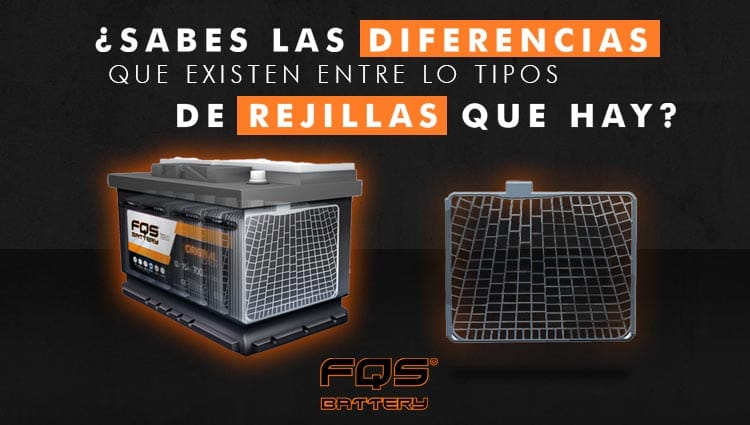
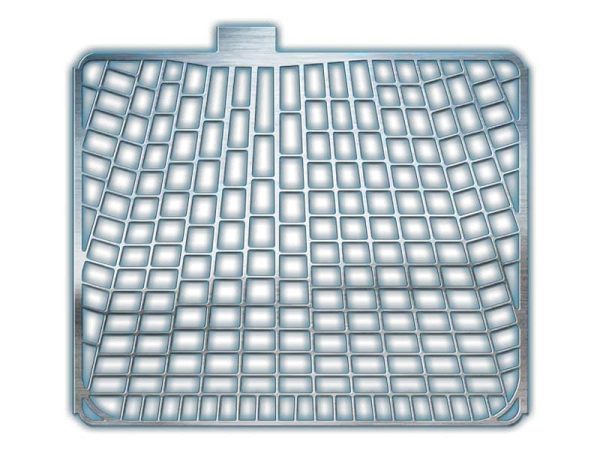
Within Lead-Acid batteries, a key factor influencing their performance is the composition of the grids. This characteristic can make a significant difference, especially depending on the intended use of the battery.
Below, we explain the different types of grids we use in our batteries and how their characteristics impact product performance and lifespan.
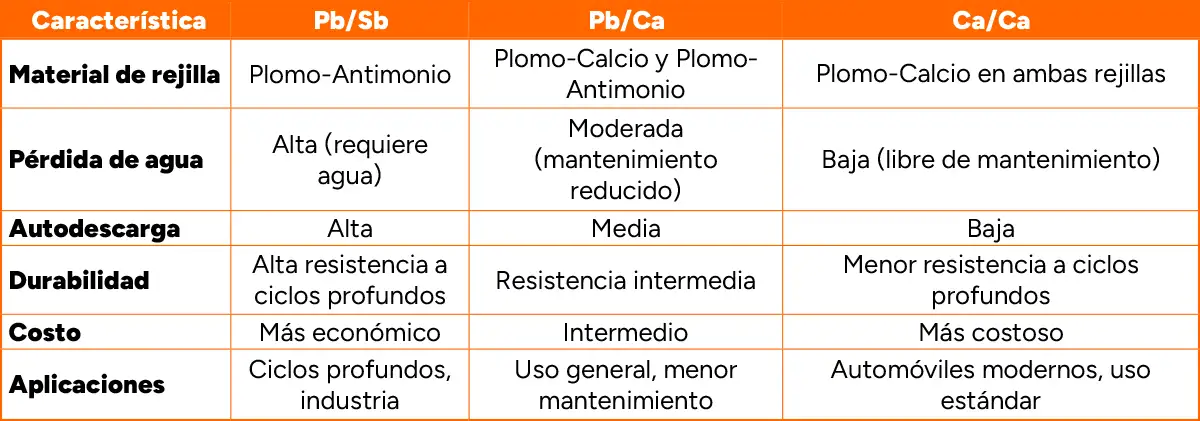
1 – Grid Composition
Pb/Sb (Lead-Antimony):
The grids are made with a lead and antimony alloy. This alloy improves mechanical strength and deep cycle tolerance.
Pb/Ca (Lead-Calcium):
The grids combine lead and calcium in the positive grid and lead-antimony in the negative. This design seeks a balance between mechanical strength and reduced water consumption.
Ca/Ca (Calcium-Calcium):
Both grids (positive and negative) are made with a lead and calcium alloy. This significantly reduces water consumption and self-discharge.
2 – Water Loss and Maintenance
Pb/Sb:
– Generate more gases during charging due to the use of antimony.
– Require periodic maintenance (distilled water refilling).
Pb/Ca:
– Generate fewer gases than Pb/Sb, but still more than Ca/Ca.
– Have reduced maintenance, but are not entirely maintenance-free.
Ca/Ca:
– Emit very few gases and are practically maintenance-free.
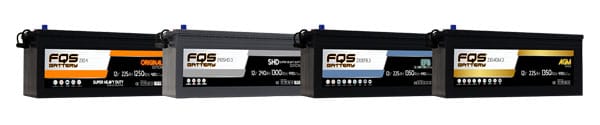
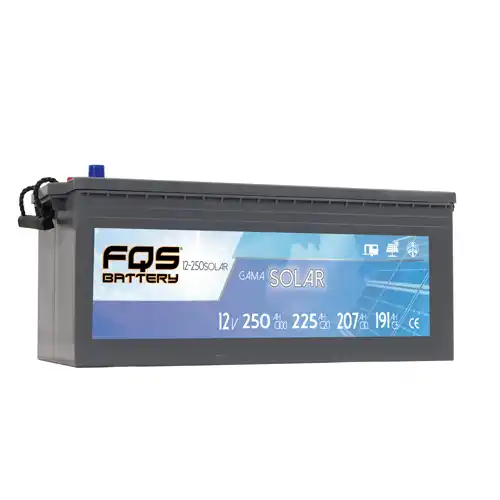
Used in heavy vehicles, industrial machinery, solar systems, and applications with frequent deep cycles.
Pb/Ca:
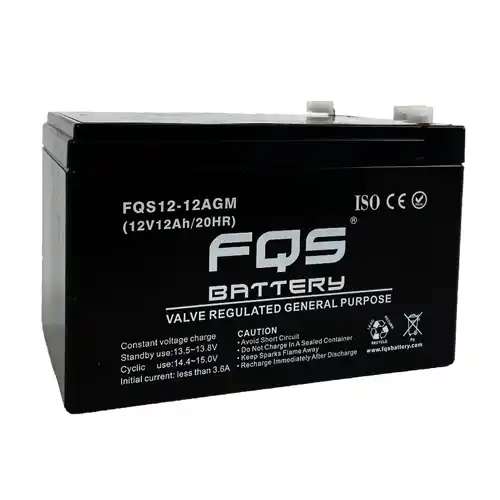
A hybrid option, suitable for vehicles and equipment with moderate use and less need for maintenance.
Ca/Ca:
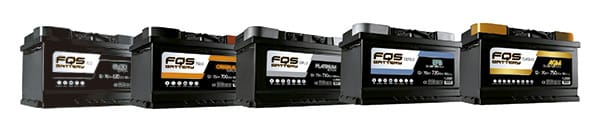
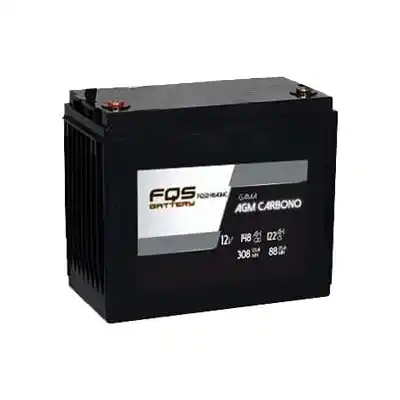
Primarily designed for modern automobiles and applications where low self-discharge and minimal maintenance are essential.
Conclusion
Battery choice depends on the application:
Pb/Sb: If you need durability and resistance to deep cycles (solar systems, heavy machinery).
Pb/Ca: Ideal for versatile applications with less need for maintenance.
Ca/Ca: Perfect for modern vehicles and users seeking convenience and low maintenance.
The Importance of Choosing the Appropriate Battery
The selection of technology type is crucial, as it influences factors such as corrosion resistance, electrical conductivity, and the battery’s ability to withstand charge and discharge cycles. At FQS Battery, we advise our clients to choose the most suitable battery according to their specific needs and application type.
For any inquiry or personalized advice, please do not hesitate to contact us through the available channels on our website: email, WhatsApp, or phone. We will be happy to assist you.
Este sitio web utiliza cookies para optimizar su experiencia de usuario. Al continuar navegando, usted acepta el uso de cookies y nuestra cookie policy. Haga clic en el enlace para obtener más información. política de cookies. Click the link for more information.