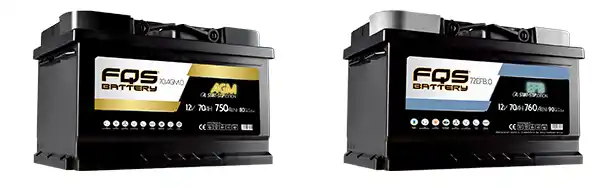

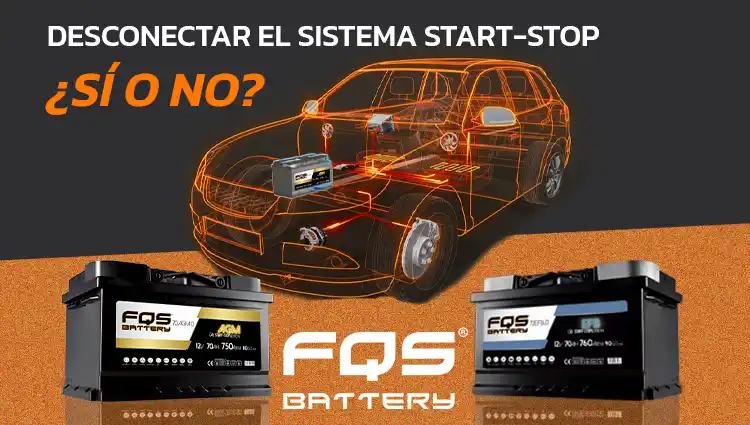
Every week we are asked whether disabling (or deactivating) the Start-Stop system is a good idea. In this article we explain what the Start-Stop system is, the pros and cons of disabling it, the technical and legal risks (warranty, ITV inspection, emissions), and how it affects the EFB/AGM battery and the starter motor. If you are unsure whether you should disable Start-Stop in your car, here is a clear guide to help you decide with sound judgment.
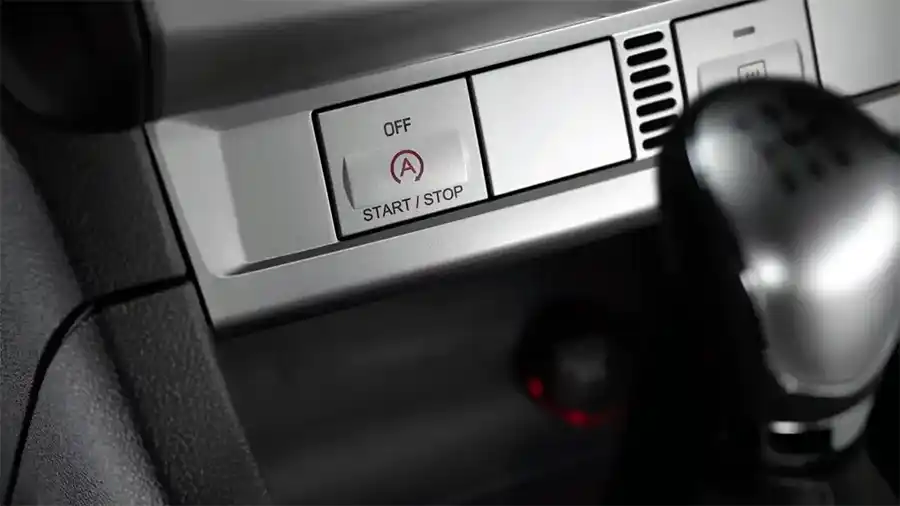
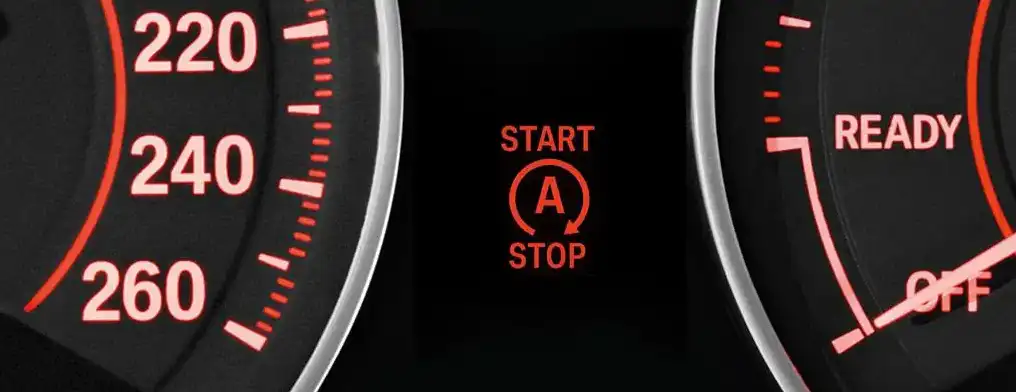
The Start-Stop system was created to reduce fuel consumption and emissions in urban environments: it switches the engine off during brief stops and restarts it when you set off. Its “permanent” deactivation has become popular, but it is not always a good idea. Here is a practical, critical view—without myths.
ADVANTAGES OF THE START-STOP SYSTEM
- Lower fuel consumption and CO₂ in the city (traffic lights/traffic jam sections).
- Fewer hours of engine idling.
- Type approval: the vehicle achieves the expected WLTP/NEDC values.
PERCEIVED DISADVANTAGES OF THE START-STOP SYSTEM
- A feeling of a “cut” when pulling away if calibration is poor or the battery is marginal.
- Greater demand on the battery and starter motor (although they are reinforced by design).
- In highly equipped cabins (climate control, audio, peripherals) it can feel intrusive.
RISKS OF DEACTIVATING IT – PERMANENT VS TEMPORARY
A simple voltage check with a multimeter or an electronic tester can prevent an unpleasant surprise. The ideal value with the engine off should be between 12.5 and 12.8 volts. If it drops below 12.2 V, it is advisable to recharge it or go to a workshop.
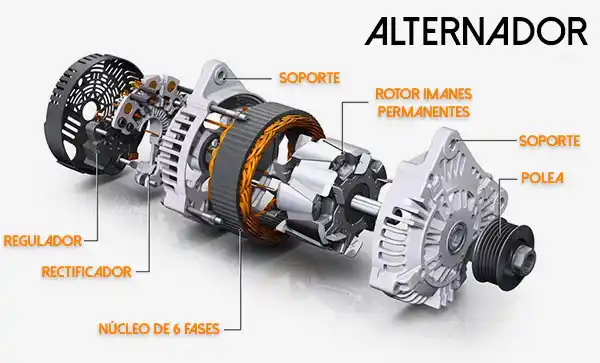
It is also advisable to keep the terminals clean, check the alternator and, above all, replace the battery before it fails completely.
USING THE DASHBOARD DEACTIVATION BUTTON
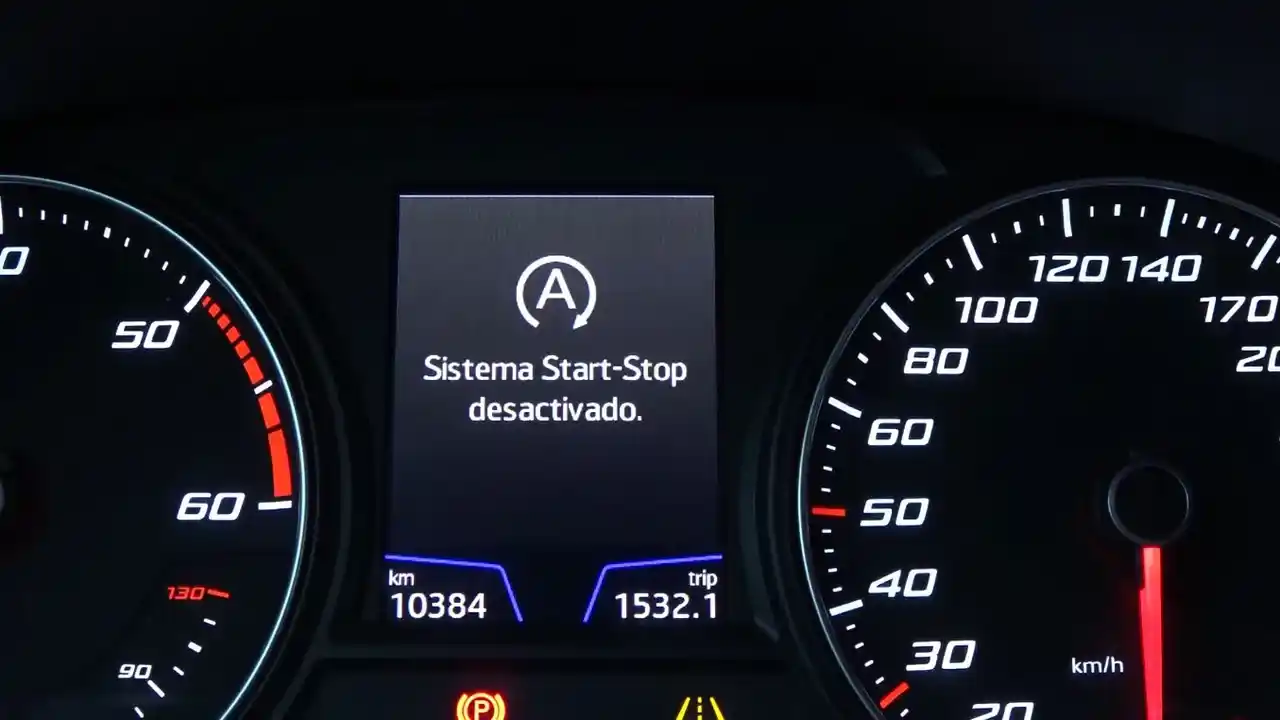
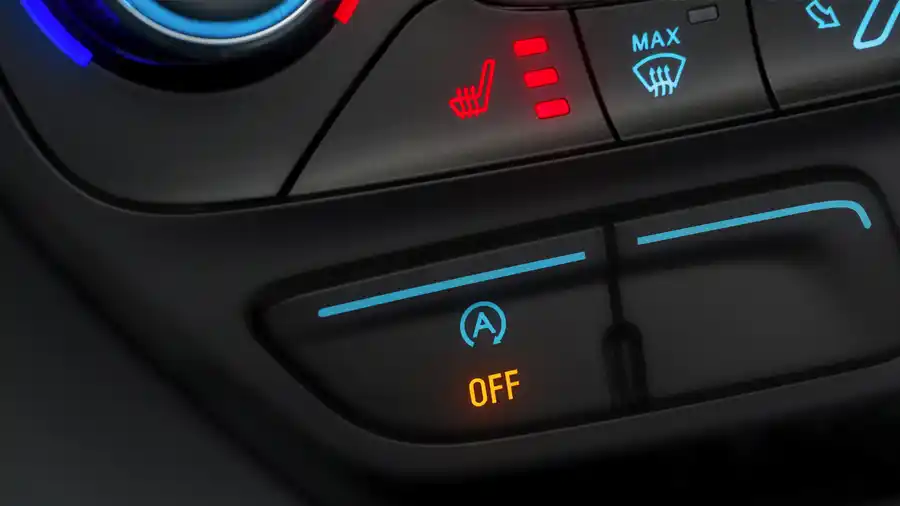
- This is the method intended by the manufacturer. It does not affect type approval or warranties.
- It usually reactivates at the next start.
PERMANENT DEACTIVATION VIA CODING, RELAYS OR IBS EMULATORS
- Warranty and insurance: any unauthorized modification can complicate claims.
- ITV/Inspection: changes that affect emissions may be considered an undocumented modification.
- Emissions and low-emission zones: more idling time = more CO₂/NOx in urban use; in fleets it can affect ESG targets.
- Electronic errors: battery sensor (IBS) emulators or poorly done reprogramming can generate DTCs, abnormal thermal/climate strategies, and off-map charging.
- Charging cycle: if the car “thinks” it has a different battery, it may over/undercharge and shorten its life.
- Technical liability: workshops take on additional risk if they carry out or endorse the deactivation.
BATTERY AND ALTERNATOR: WHAT REALLY MATTERS
- Correct technology: S/S requires EFB (basic S/S passenger cars) or AGM (higher micro-cycling and electrical demand). Installing a conventional battery is a sure recipe for problems.
- Battery registration/coding: when replacing it, you must “tell” the ECU/IBS so it can recalibrate charging.
- State of health (SoH): many S/S annoyances are a symptom of a tired battery, not the system.
- Real-world use: very short trips, extreme cold, or high electrical demand reduce how often S/S operates for protection; this is normal.
DOES THE STARTER MOTOR WEAR OUT SOONER?
Vehicles with S/S are equipped with:
- Reinforced starter motors and more durable ring gears.
- Smart alternators and specific start maps.
With proper maintenance, service life is not significantly reduced; what does kill batteries and starters is unsuitable technology or poorly altered calibrations.
WHEN IT MIGHT MAKE SENSE TO LIMIT IT
- Vehicles with intensive auxiliary equipment use at idle (assistance systems, car PC, light refrigerated units).
- Very specific driving (continuous manoeuvres where restarting is genuinely disruptive).
Even so, prioritize manual deactivation via the button or official calibrations (if available), never electrical “tricks”.
BEST PRACTICES BEFORE CONSIDERING DISABLING IT
- Check the battery (load test and actual capacity test). Replace it with an equivalent or approved EFB/AGM.
- Code/register the new battery in the ECU.
Update engine/BCM software if the manufacturer has released S/S improvements. - Check the IBS (battery sensor) and the grounding system.
- Keep the car charged if you do short trips (occasional smart external charger).
- Use the button when it bothers you; it is the cleanest solution.
CONCLUSION
Disabling Start-Stop “the brute-force way” is usually a bad idea: it adds legal/technical risks and rarely solves the root cause of the problem (unsuitable or worn battery, calibration, usage habits). If it bothers you, deactivate it occasionally with the button and make sure you have the correct battery (EFB/AGM) properly registered and the system up to date. A deeper limitation should only be considered if there is an official manufacturer procedure for your model and use case.