
As temperatures drop, the car battery faces one of its greatest enemies. Every autumn, thousands of drivers find that their vehicle won’t start just when they need it most. The truth is that, in most cases, the car has been giving warnings for days—even weeks.

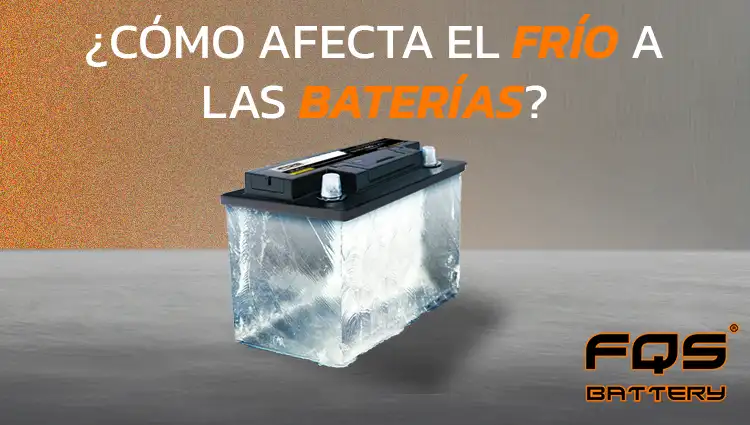
Cold weather reduces the battery’s chemical capacity, decreases electrolyte efficiency, and causes the engine to require more energy to start. It is the perfect combination to test any battery, especially those over three years old or those that have been inactive for long periods.
SYMPTOMS YOU SHOULD NOT IGNORE
- Slow start: if the engine turns over sluggishly before starting, the battery is already losing power.
- Dimmer lights: headlights or instrument panels with lower light intensity are usually a first warning.

- Battery warning light on: this does not always mean it is discharged, but rather that the charging system needs inspection.
- Odor or corrosion on the terminals: whitish or sulfated residue are signs of poor contact or electrolyte leakage.
- Start-Stop system deactivated: in modern vehicles, this function is automatically disconnected when the voltage is not optimal.

MAINTENANCE TIPS
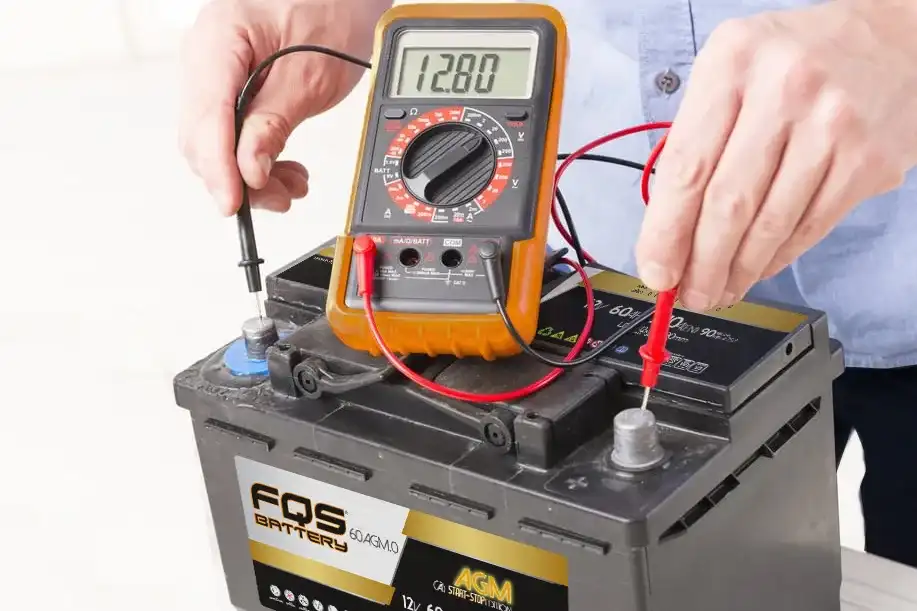
A simple voltage check with a multimeter or an electronic tester can prevent a headache. The ideal value with the engine off should be between 12.5 and 12.8 volts. If it drops below 12.2 V, it is advisable to recharge it or visit a workshop.
It is also recommended to keep the terminals clean, check the alternator, and, above all, replace the battery before it fails completely.
THE SOLUTION LIES IN CHOOSING THE RIGHT BATTERY
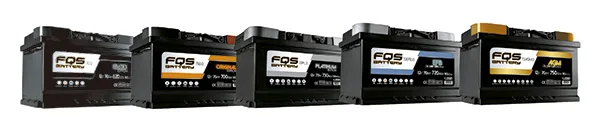
FQS BATTERY offers different ranges adapted to every type of vehicle and requirement:
- FQS BLACK Edition: high-turnover lead-acid batteries with extraordinary starting capacity, maximum vibration resistance, and completely maintenance-free. They incorporate Calcium/Calcium expanded grid technology and a high-performance polyethylene envelope separator, ensuring constant performance and a long service life even in the most demanding conditions.
- FQS ORIGINAL Edition: these incorporate high-performance Calcium/Calcium technology, ensuring reliability, starting power, and full coverage for passenger cars and light commercial vehicles. The ideal solution for those seeking maximum durability and constant performance in any condition.
- FQS Platinum Edition: They offer superior and constant performance, with greater power, reliability, and up to 30% more service life in the highest-turnover references. Their advanced technology ensures a firm start, stable performance, and maximum durability, even in the most demanding conditions.
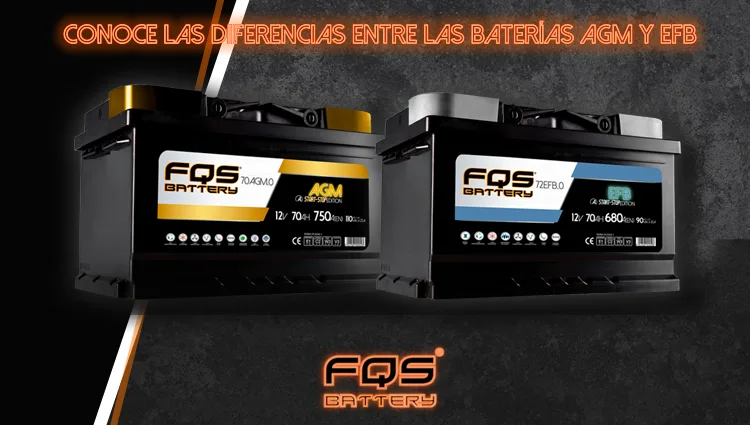
- FQS AGM Edition: batteries equipped with the latest generation AGM (Absorbent Glass Mat) technology, designed to offer superior performance in vehicles equipped with Start-Stop systems and regenerative braking, as well as those with high electrical demand.
FQS EFB Edition: these offer superior performance in terms of cycle count, water consumption, and charge acceptance capacity compared to conventional batteries. Designed for vehicles equipped with a Start&Stop system without regenerative braking.
CONCLUSION
Cold weather doesn’t break batteries; it simply tests their performance. Detecting symptoms in time is the best way to avoid getting stranded on a freezing morning. A preventive check before winter can make the difference between starting without problems or waiting for a tow truck.
That is why choosing the right battery is essential, and FQS Battery is the most reliable option for those seeking power, durability, and a safe start even in the most extreme temperatures.