
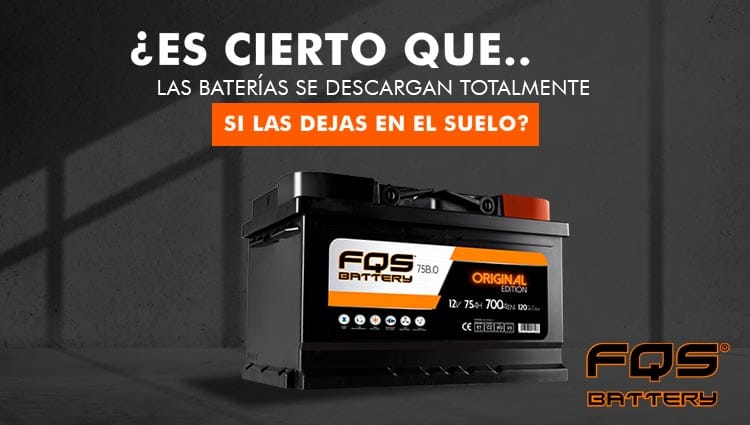
At FQS Battery, we have frequently received questions about battery storage and the supposed discharge that occurs when batteries are placed directly on the floor. This myth has a historical basis, but today it is not a real problem. Below, we explain why this idea persists and the truth behind it.
Origin of the Myth
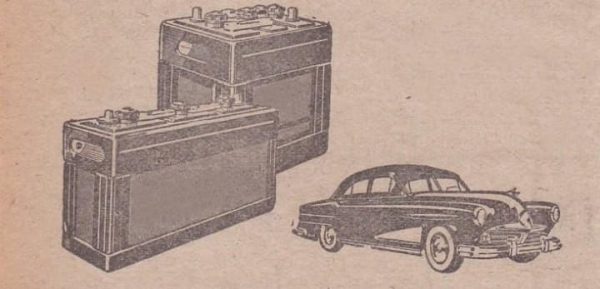
More than 50 years ago, batteries had casings made of rubber, a less efficient material than modern casings. At that time, industrial floors, generally made of concrete, accumulated a large amount of moisture. When batteries were placed directly on this type of surface, discharge could occur due to the combination of moisture and the properties of rubber.
However, technology has advanced significantly. Today, battery casings are made of polypropylene, a material that has completely eliminated this problem.
Why Is Polypropylene Used in Batteries?
Polypropylene is the standard material in battery casing manufacturing due to its excellent properties:
- Chemical resistance: It is highly resistant to chemicals such as sulfuric acid, preventing casing deterioration.
- Durability: It withstands mechanical impacts, vibrations, and extreme temperatures.
- Lightweight: Its low weight contributes to improving vehicle efficiency.
- Electrical insulation: It provides excellent protection against short circuits.
- Moldability: It allows for the manufacture of precise and sealed casings.
- Heat resistance: It maintains its stability in high-temperature environments, such as engine compartments.
- Recyclability: It is a recyclable material, making it more sustainable.
Thanks to these properties, polypropylene ensures that modern batteries do not discharge from being in contact with concrete or damp floors.
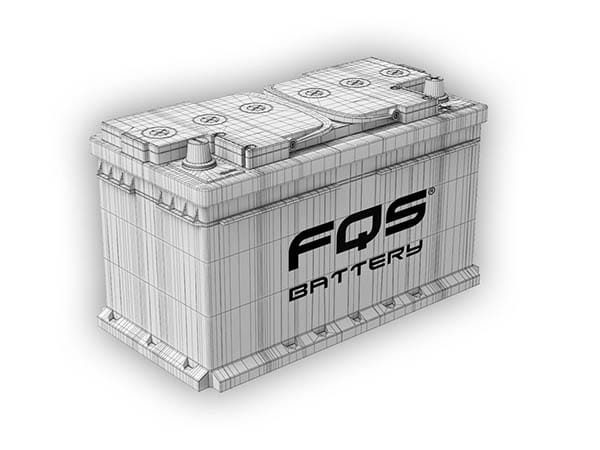
Battery Self-Discharge: What Really Matters
Although a battery will not discharge from being stored on the floor, it is important to consider self-discharge, a natural phenomenon that occurs over time. This process depends on storage conditions, especially temperature:
- An AGM battery stored at 0°C retains 90% of its capacity for approximately 6 months.
- If stored at 40°C, it loses up to 50% of its capacity in just 4 months.
Our Solution at FQS Battery
At FQS Battery, we have fully climate-controlled storage facilities that maintain a constant temperature to minimize charge loss and ensure maximum battery efficiency. Additionally, we implement the FIFO system (“First In, First Out”), which ensures that batteries with the longest storage time are the first to be distributed. This guarantees optimal rotation and keeps our batteries in the best condition for our customers.

Conclusion
The myth that batteries discharge from being stored on the floor belongs to the past. Thanks to advances in materials such as polypropylene and modern storage practices, this problem no longer exists. At FQS Battery, we ensure that each battery retains its quality and performance, to always offer the best to our customers.