
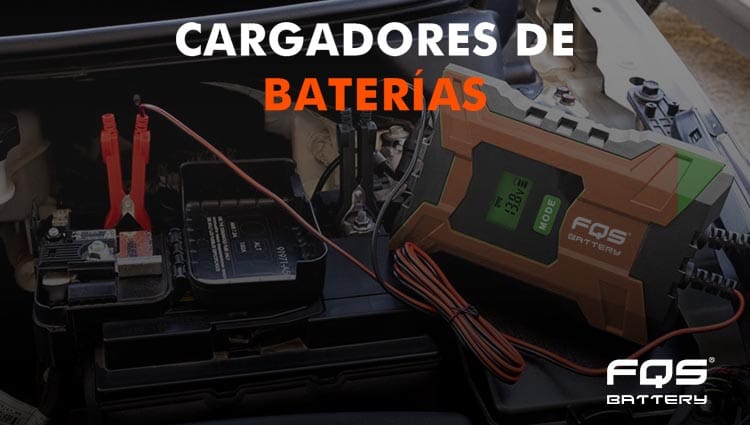
Currently, battery chargers offer a much more convenient and efficient solution. These devices allow you to monitor the battery’s charge level and recharge it when necessary, preventing uncomfortable or stressful situations associated with a dead battery.
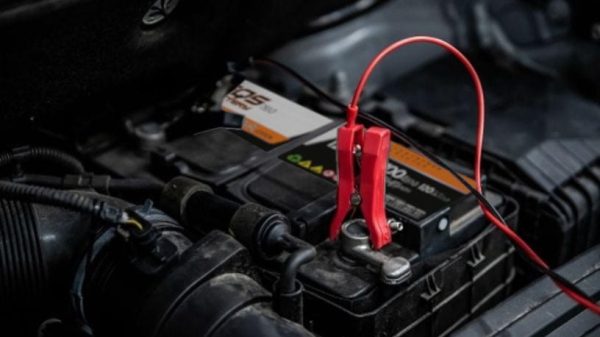
The car battery is one of the most critical components, and it can cause numerous inconveniences if not properly maintained. This is especially true if you use your vehicle infrequently, as you might, at some point, face the possibility of not being able to start it due to a dead battery. In the past, the most common solutions included using jumper cables to get help from another vehicle or pushing the car to jump-start it with a clutch drop, which can damage the engine.
What is a battery charger and how does it work?
A battery charger is a device designed to supply electrical current to your car battery, preventing it from fully discharging and ensuring its starting capability. It works by transferring electrical energy from your home to the vehicle’s battery, similar to how chargers for other electronic devices function.
It is important not to confuse a battery charger with other devices like jump starters or jumper cables. While a charger uses power from the electrical grid to recharge the battery, a jump starter has an internal battery that allows it to start the car engine autonomously. On the other hand, jumper cables require assistance from another vehicle to supply power to the battery.

When should you have a car battery charger?
Having a battery charger is essential if you want to keep your battery in optimal condition or recharge it before it fully discharges. This is especially relevant in the following cases:
- Infrequent vehicle use: If your car remains inactive for long periods, especially in summer when heat can accelerate battery deterioration, it is advisable to use a charger to prevent failures during winter.
- Preventive maintenance: Having a charger will allow you to perform maintenance charges, preserving the health and lifespan of the battery.
- Quick recharge: Some chargers are designed to quickly restore battery power in emergency situations.

Criteria for selecting the best battery charger
When choosing a battery charger for your car, you should consider the following aspects:
- Engine size and battery type
- Larger engines require higher capacity batteries, which means a more powerful charger is needed.
- Consider the type of battery your vehicle uses:
- Lead-acid: Compatible with most chargers.
- Gel or AGM: Common in vehicles with start-stop systems or large engines, these batteries require specific, higher-capacity chargers.
- Charger purpose
- For maintenance charges: Use a charger designed to maintain a minimum power level, ideal for preserving the battery.
- For recharging a dead battery: Opt for a conventional charger, similar to those for other electronic devices.
- For quick starts: Choose a heavy-duty charger, designed to supply large amounts of power in a short time.
- Compatibility
- Ensure that the charger is compatible with your car battery and suitable for its specific use.
Conclusion
Selecting the right battery charger for your car depends on your vehicle’s specific needs and how you plan to use the device. Carefully evaluate the type of battery installed in your car and choose a charger that is compatible, efficient, and suitable for your requirements. A good choice will ensure your battery is always in optimal condition, preventing unpleasant surprises and extending its lifespan.