
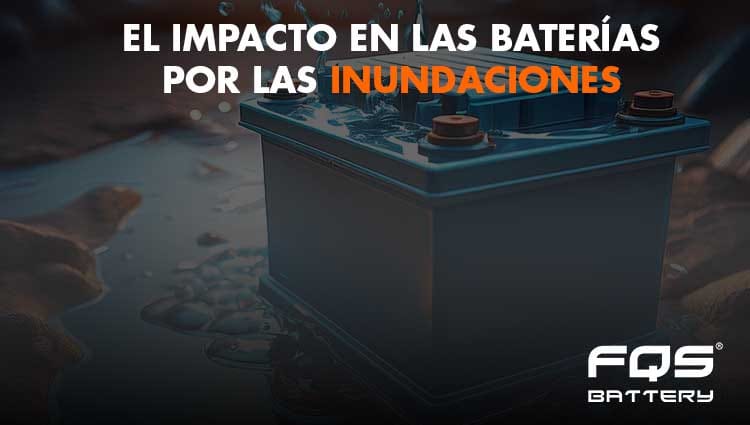
In recent times, flooding has increased in frequency and severity, affecting thousands of vehicles in various regions. This phenomenon poses a considerable challenge for repair specialists, who must deal with the consequences of damage to different components, including batteries. Whether it is a 12V lead-acid battery, a lithium-ion battery, or a high-voltage system in electric vehicles, it is crucial to understand the risks and best practices for safe handling and assessment.
We have received various enquiries at FQS, and we hope to address them in this article.
Impact of Flooding on Batteries
Contact with water can significantly affect vehicle batteries, although the damage varies depending on the type:
Lead-Acid Batteries
12V lead-acid batteries are relatively water-resistant compared to other types, but they can still present issues such as:
- Corrosion on terminals and connectors, which reduces conductivity and performance.
- Dilution or contamination of the electrolyte, especially if the battery is not sealed.
- Possible short circuits if water enters the casing.
Lithium-ion batteries
Lithium batteries, used in hybrid and electric vehicles, can suffer severe damage if exposed to moisture:
- Compromised sealing, which allows water ingress and internal degradation.
- Internal short circuits and risk of thermal runaway, which can lead to overheating or fire.
- Corrosion of external connections, affecting operating capability.
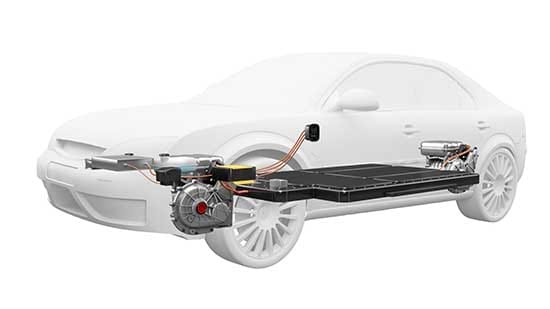
High-voltage batteries
In electric vehicles, high-voltage battery packs are protected by specialised casings, but they are not completely immune to flooding:
- Water ingress that can damage internal cells.
- Risk of thermal runaway, with a much greater energy potential than in smaller batteries.
- Dangerous retained energy, meaning handling requires extreme precautions.
Signs of battery damage after flooding
Before deciding whether a battery can be recovered or must be discarded, it is important to look for signs of deterioration:
- Corrosion on terminals and connectors.
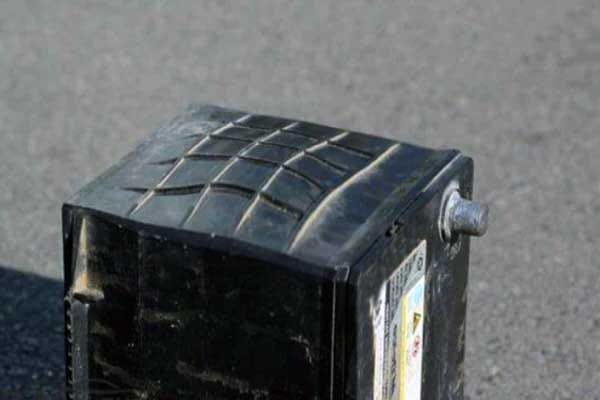
- Swelling or deformation of the casing.
- Discoloured electrolyte or an unusual odour (in lead-acid batteries).
- Burn marks or bulging in lithium-ion batteries.
- Water residue around the casing in high-voltage batteries.
- Errors in the vehicle’s diagnostic system.
Procedure for handling flooded batteries
If it is confirmed that a battery has been in contact with water, it is essential to follow the appropriate protocols to minimise risks:
1 – Initial Safety Measures
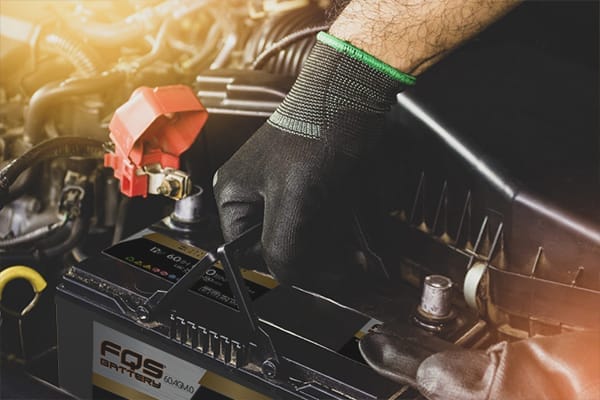
- Use personal protective equipment such as gloves and safety goggles.
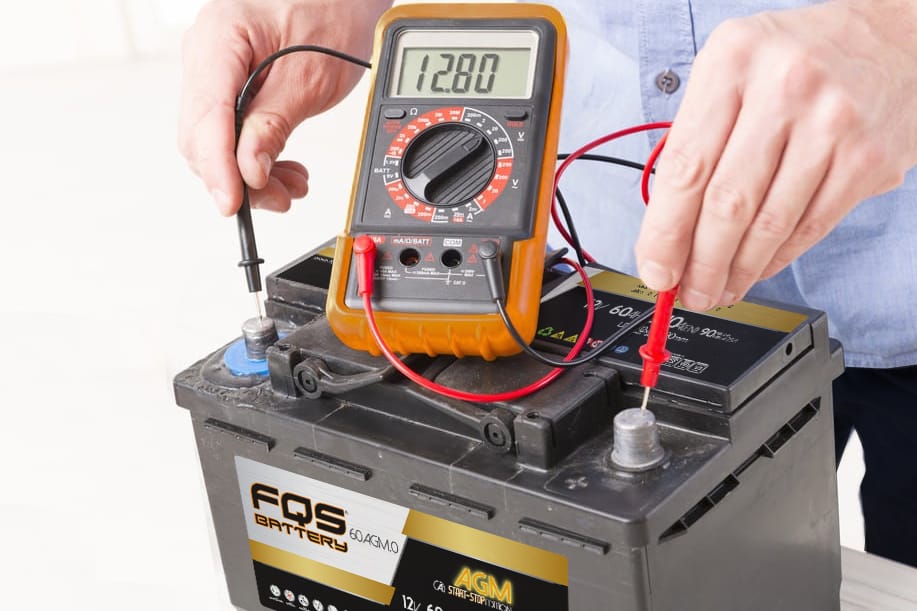
- Before handling the battery, check for residual charge with a multimeter.
- For high-voltage batteries, it is recommended to use specialised tools to deactivate them.
2 – Visual inspection and diagnosis
- Examine the external condition of the battery for obvious signs of damage.
- For lithium-ion and high-voltage batteries, it is advisable to use advanced diagnostic tools to assess integrity without opening them.
3 – Functional tests
- For lead-acid batteries, voltage and capacity must be measured.
- For lithium-ion and high-voltage batteries, assess cell balancing and insulation resistance.
4 – Decision: repair or replacement
- Lead-acid batteries can be reconditioned in some cases by cleaning corrosion and recharging under controlled conditions.
- Lithium-ion and high-voltage batteries, due to their complexity and risk, usually require replacement rather than repair.
Responsible handling of damaged batteries
If a battery must be discarded, it is vital to follow safe procedures:
- Transport them carefully to avoid short circuits or chemical leaks.
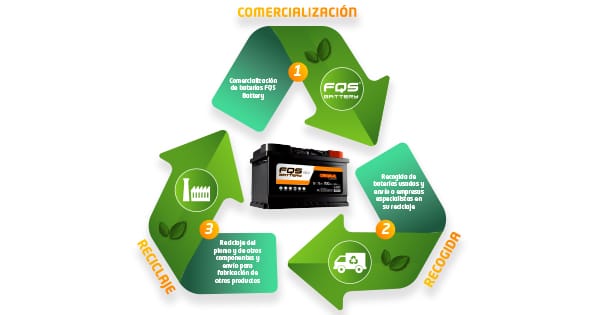
- Send them to specialised recycling centres for proper disposal.
- Follow local regulations to avoid negative environmental impacts.
CONCLUSION
The increase in vehicles affected by flooding presents a growing challenge for repair workshops. Given the risk posed by damaged batteries, having knowledge of their assessment, handling, and disposal is essential to ensure the safety of both technicians and the environment. Adopting appropriate protocols and using specialised diagnostic tools makes it possible to make informed decisions about a battery’s viability after flooding. Careful handling and compliance with regulations are key to minimising risks and optimising the repair of these vehicles.